Blog

Organic Ginger & Turmeric Growing Guide (North West England)
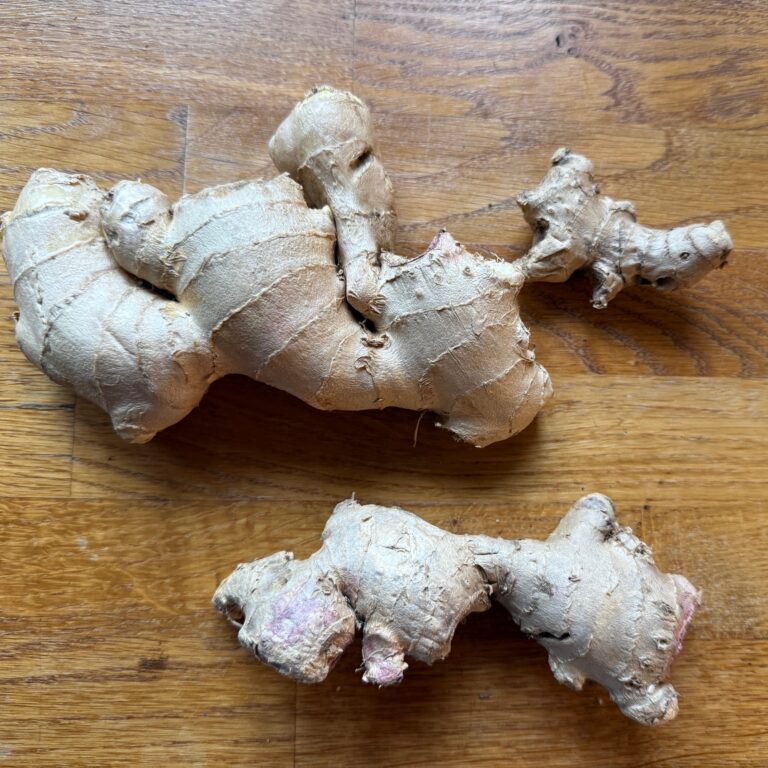
Can You Grow Ginger & Turmeric in the North West UK? Yes—you absolutely can grow organic ginger and turmeric in the North West of England, even with its cooler temperatures and variable weather. While both plants are tropical by nature, with the right setup—think warmth, moisture, and patience—you can successfully
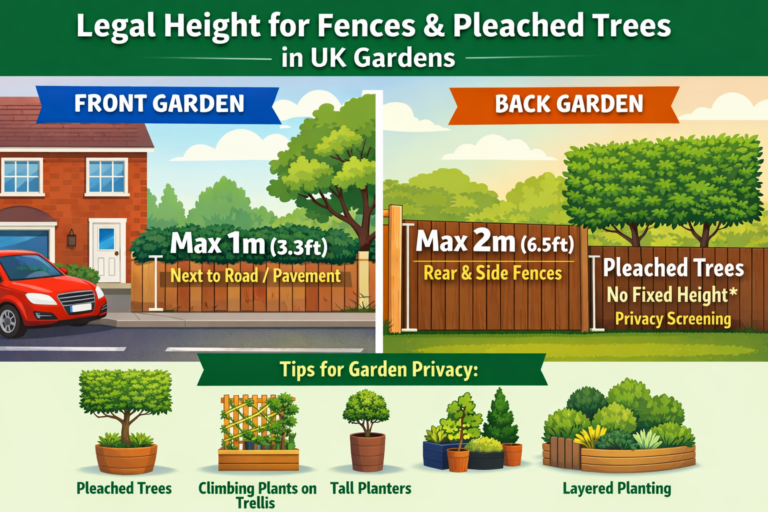
What Is the Legal Height for Fences and Pleached Trees in UK Gardens?
When designing a private garden, one of the most common questions homeowners ask is: “How high can my garden fence or privacy screen legally be?” Understanding UK planning rules is essential before installing fencing, boundary walls, or pleached trees. Exceeding the permitted height could lead to planning enforcement notices, disputes with neighbours,

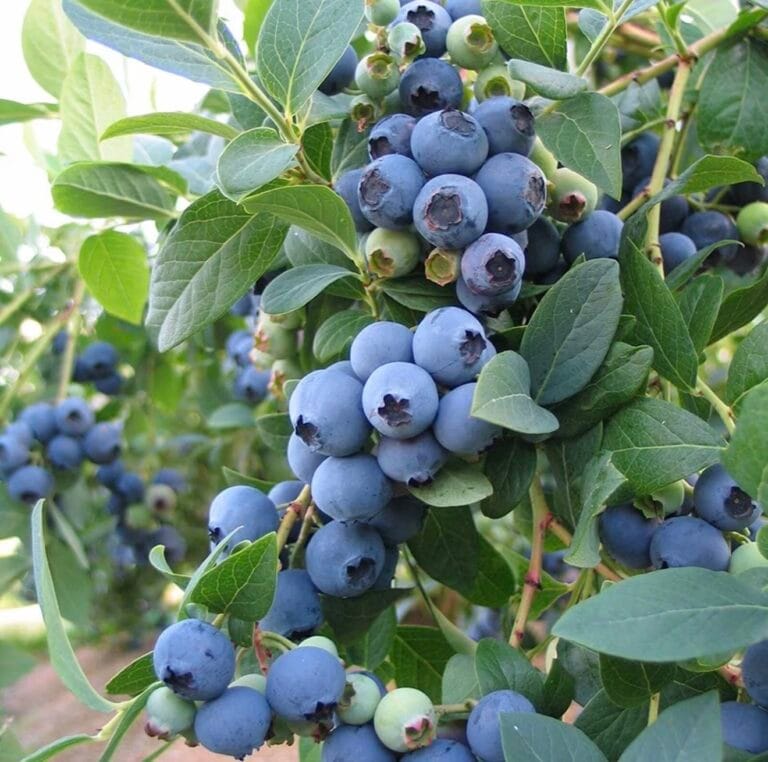
The best Blueberry for Growing in the North West of England
Bluecrop Blueberry – Size and Yield Information Plant Size (Height and Spread) The Bluecrop blueberry is a vigorous and upright growing bush. Typical mature size: • Height: 1.5–2 metres (5–6.5 feet) • Spread: 1–1.5 metres wide If grown in the ground, plants can reach close to 2 metres tall. If

Pleached Tree Problems in the Ribble Valley Explained
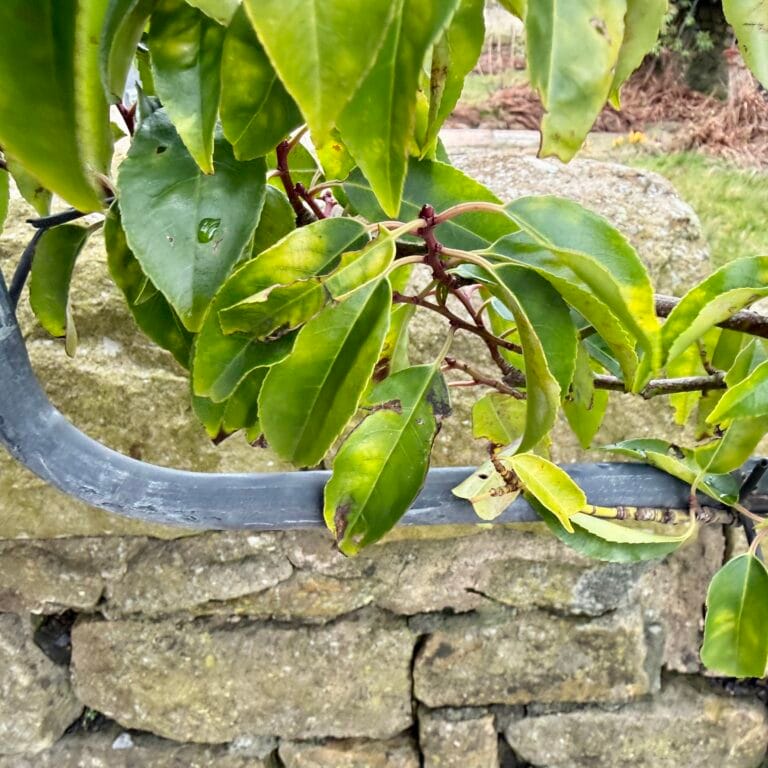
Key Reasons Pleached Tree Leaves Turn Yellow (Ribble Valley Conditions) Excess Water & Poor Drainage (Very Common Locally) The Ribble Valley is known for clay-heavy and moisture-retentive soils, which can cause problems for pleached trees. Prolonged wet ground restricts oxygen to the roots Roots become stressed or begin to rot

Storm Damage in January: Another Reminder to Protect Your Garden
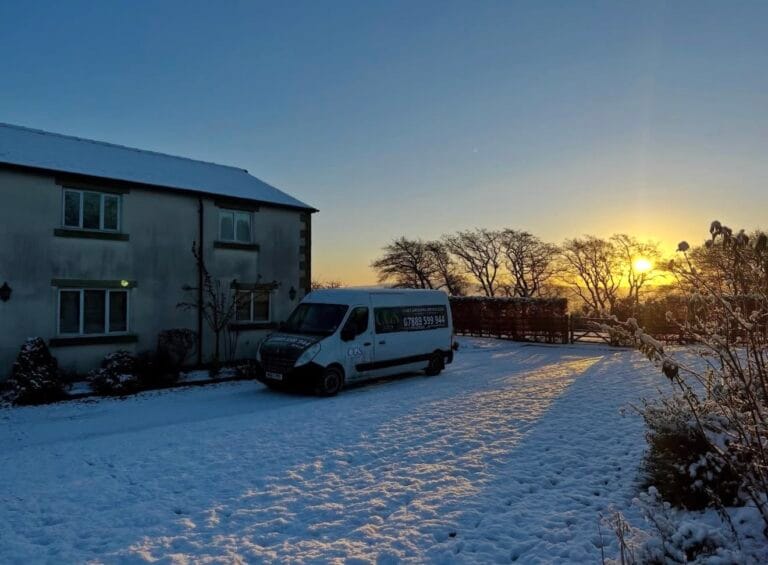
We’re not even a full month into 2026 yet, and already January has delivered its third named storm. This time, the culprit is Storm Chandra — bringing with it high winds, heavy rain, and the kind of disruption that can leave gardens and outdoor spaces looking worse for wear. Repeated

Lawn Care in January: What Not to Do With Your Lawn
January is one of the most important months for lawn care — not because of what you should be doing, but because of what you shouldn’t be doing. With cold temperatures, frosts, heavy rain, and low grass growth, your lawn is in a vulnerable state. Making the wrong decisions now